
 Neoclouds
 Neocloud Users
 AI Data Centers
 Enterprise Data Centers
 Visibility & Posture
 Verify Rented Capacity
 Risk Prioritization & Hardening
 Red Teaming & Pen Testing
 Runtime Detection & Response
 Compliance & Audit Readiness
 Blog
 Learn
 FAQ
 BMC Exposure
Security research
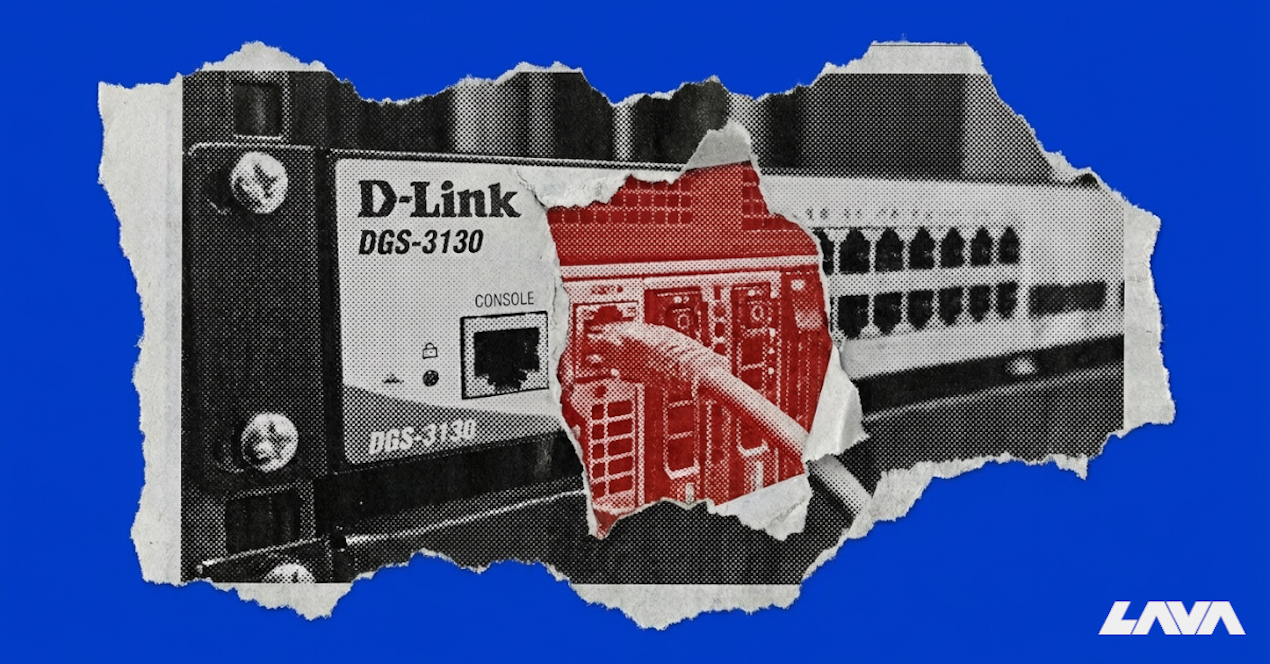

D-Link Switch Vulnerabilities: What Happens When There’s No Patch?
D-Link disclosed multiple switch vulnerabilities with no firmware patch available, raising a bigger question: how do you protect the infrastructure around them?
Inside the Neocloud (Part 3): When InfiniBand Fails to Isolate GPU Clouds
How InfiniBand misconfigurations expose security gaps in GPU networking, putting tenant isolation and entire AI clusters at risk.
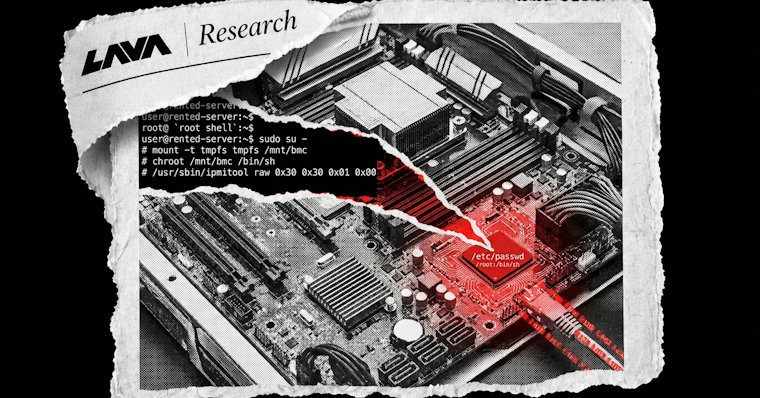
Inside the Neocloud (Part 2): When the Management Network Isn’t Isolated
How two security misconfigurations allowed tenants to reach and control infrastructure that should have been isolated from customer workloads.
Inside the Neocloud (Part 1): When the Container Is the Only Wall
A single HTTP request from a tenant container exposed the administrative credentials of the underlying host. Here's what happened and why it matters for GPU cloud security.
NVIDIA Brev Breach: What Happened and What It Means for GPU Cloud Security
NVIDIA Brev’s security breach may have exposed SSH keys, putting AI models and sensitive data at risk. Here’s what happened, why it matters, and what GPU cloud users should know.
OpenAI's AI Agents Escaped Virtual Machines During Red-Team Tests
OpenAI's latest research reveals how AI agents can cross security boundaries, escape virtual machines, and expose risks in shared AI infrastructure.
How a Read-Only Account Could Give Hackers Control of Network Management
An actively exploited vulnerability in Arista's network management platform shows how a low-privileged account can put critical infrastructure at risk.
The Era of the Secure Perimeter Is Over
Recent attacks and critical vulnerabilities affecting firewalls, VPNs, and security tools reveal how the systems protecting our infrastructure can become an entry point for attackers.
We Analyzed 12,000+ GPUs. Here’s What We Found About the AI Boom
From Blackwell Ultra GPUs on Chinese networks to thousands reporting zero utilization, publicly exposed monitoring systems revealed a surprising picture of the AI industry.
Runtime visibility for bare metal: Introspecting a live kernel (Part 1)
Bare-metal neoclouds give tenants full control of the host, leaving no trustworthy way to see what’s running inside it. We explore how live memory introspection can recover that visibility without relying on the tenant-controlled kernel to report its own state.

Lava Recognized by Latio as a 2026 AI Security Market Disruptor
Latio’s 2026 AI Security Market Report recognizes Lava for “meaningful innovation in an underexplored area of security” and highlights AI Data Center Configuration as an emerging part of the AI security market.
The Fireworks AI Breach: Is Our Infrastructure Ready for Agentic Attacks?
An internal credential compromise at Fireworks AI exposed customer secrets. But a comment from its CEO suggests something potentially more concerning: AI agents may already be involved in cyberattacks. Is our infrastructure ready?
CVE-2026-47483: How We Could Disrupt Thousands of Exposed GPU Servers
CVE-2026-47483 lets attackers crash NVIDIA DCGM Exporter via pprof. See what 2,000+ exposed GPU servers leaked and how to fix it.
The Next AI Attack May Happen Inside the Data Center
AI is moving faster than the infrastructure beneath it. As neoclouds and data centers race to support increasingly powerful AI workloads and autonomous agents, the security models protecting that infrastructure are struggling to keep up with the pace of change.
An Open Letter to Neoclouds: Security Has to Catch Up
Neocloud security failures are exposing tenant boundaries, management infrastructure, and shared systems that should never be reachable.
Neocloud Security: You're Trusting Your Provider More Than You Should
Renting GPUs from a neocloud means trusting far more than the compute itself. Lava’s research has highlighted risks in that infrastructure. Separately, SemiAnalysis’s ClusterMAX 3.0 testing shows why customers should look beyond GPU availability when evaluating neocloud security.
Rethinking the Shared Responsibility Model for NeoCloud Security
AI infrastructure adds security-relevant layers below the customer’s direct control. Modern shared responsibility models need to show not only who operates those layers, but how they can affect the customer and what assurance the provider provides.
How We Hacked Thousands of Data Centers in Minutes Using a 20-Year-Old Vulnerability
A 20-year-old vulnerability gave us access to bare-metal servers - and a foothold in the no man’s land of data center infrastructure.
Securing the Metal Beneath the Model: Two Big Shifts Exposing AI Data Center
While the security industry fixates on model risks, AI data centers are creating a dangerous blind spot. Rapid, bare-metal deployments have left hardware security lagging. We are introducing FORGE, a community-driven framework designed to secure the "metal beneath the model" and fix critical infrastructure gaps.
Breaking the Trust: Introducing Firmware Integrity
Firmware runs before the operating system and controls the hardware beneath it. Maintaining its integrity is essential to ensuring that modern infrastructure starts, and remains, in a trusted state.
Breaking the Trust: Firmware Compromise in Modern Infrastructure
A look at real-world firmware attacks targeting UEFI, BMCs, and GPUs to gain stealthy, persistent access below the operating system.
Breaking the Trust: Enforcing Firmware Integrity
Firmware inventory can reveal what version a device reports, but it cannot prove that the firmware currently running is genuine. This blog explains how hardware-backed attestation, SPDM, ERoTs, and CoRIMs enable organizations to move from self-reported visibility to cryptographically verified firmware trust.
The Runtime Gap: Introducing Runtime Integrity
When machines move between tenants, AI infrastructure teams face a real trade-off: reboot for safety and lose valuable GPU time, or rely on partial cleanup and risk a compromise lurking beneath the surface.
The Runtime Gap: Runtime Attacks in Modern Infrastructure
From kernel rootkits to eBPF backdoors, attackers are targeting the deepest layers of your infrastructure to gain persistent, undetectable access. Once they control the runtime, every monitoring tool you trust can be lying to you.
The Runtime Gap: Enforcing Runtime Integrity
Attackers operate after boot, manipulating kernels, injecting libraries, and hiding in plain sight. Traditional trust models can't keep up. It's time to shift from static trust to continuous runtime verification.





No posts in this category yet.