 Neoclouds
 Neocloud Users
 AI Data Centers
 Enterprise Data Centers
 Visibility & Posture
 Verify Rented Capacity
 Risk Prioritization & Hardening
 Red Teaming & Pen Testing
 Runtime Detection & Response
 Compliance & Audit Readiness
 Blog
 Learn
 FAQ
 BMC Exposure
 Blog



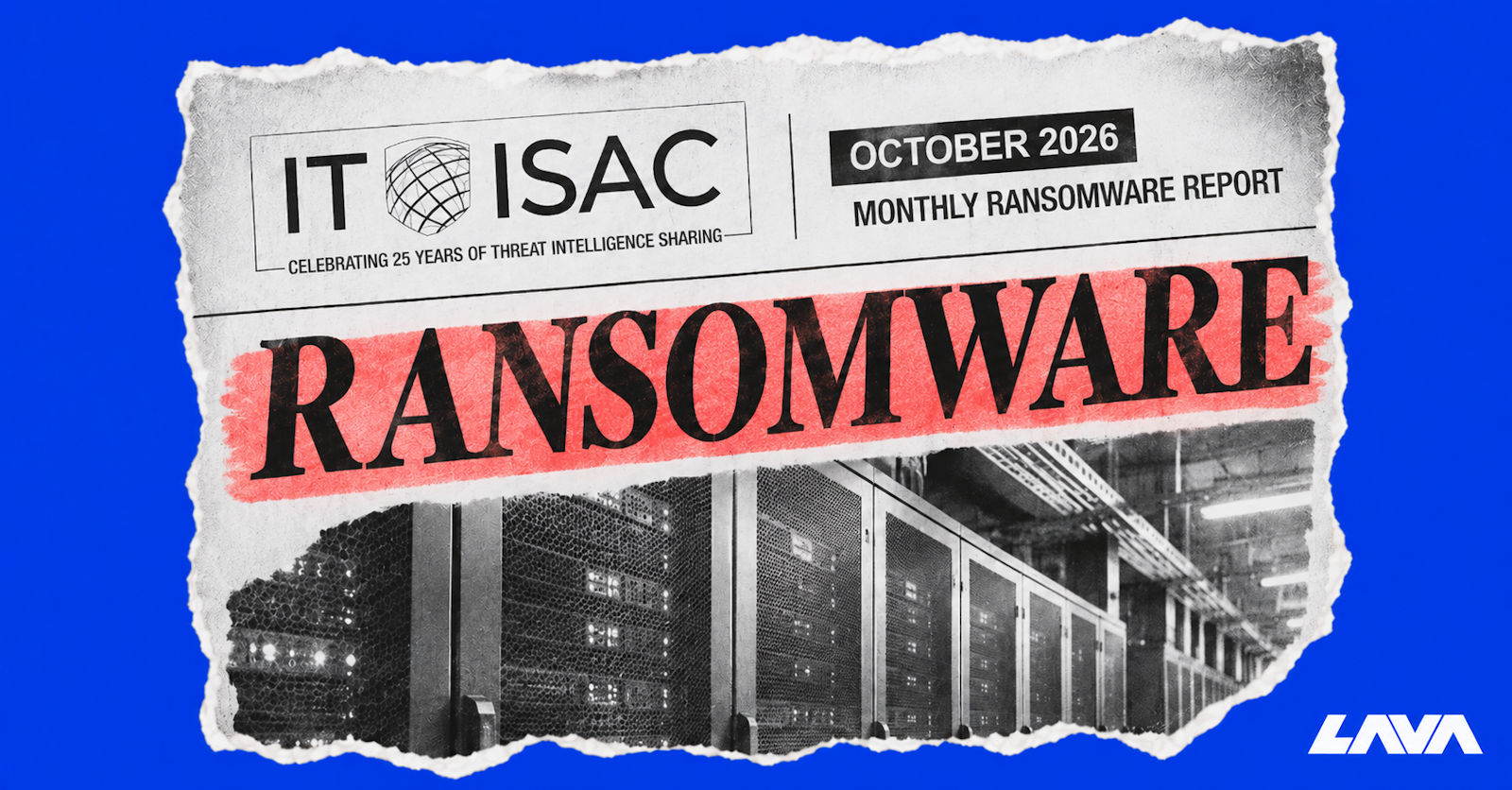
IT-ISAC is highlighting how ransomware attackers are moving beyond individual servers to compromise the infrastructure that manages and protects entire environments. In one intrusion examined by Palo Alto Networks Unit 42, attackers extracted domain-controller credentials directly from a virtual disk, bypassing the direct visibility of the VM's EDR agent.
The report brings together October 2026 research from Palo Alto Networks Unit 42, Atos, and CISA, showing how attackers can use access to virtualization and backup systems to steal credentials, expand their reach, and disrupt recovery efforts.
Qilin and INC Ransom: From VPN Access to Hypervisor Control
On October 19, 2026, Palo Alto Networks Unit 42 reported that ransomware operators, including Qilin and INC Ransom, were exploiting CVE-2026-0257, an authentication-bypass vulnerability in PAN-OS GlobalProtect.
The vulnerability affects certain GlobalProtect configurations using authentication override cookies and can allow attackers to establish unauthorized VPN connections, bypassing normal authentication controls, including MFA.
In one intrusion investigated by Unit 42, attackers reached VMware vCenter, the management platform used to control virtualized infrastructure.
From there, attackers disabled the execInstalledOnly security setting on ESXi hypervisors and used a custom tool to extract credentials directly from a domain controller's virtual disk (VMDK).
Because the credentials were extracted outside the guest operating system, EDR running inside that VM could not directly observe the extraction.
Unit 42 also reported attackers using exploit tools targeting Veeam backup infrastructure, showing how an initial VPN compromise could lead toward both virtualization and recovery systems.
Eclipse: Targeting ESXi and Backup Infrastructure
On October 19, Atos Threat Research Center published findings from an exposed command-and-control server belonging to the Eclipse ransomware operation.
Researchers recovered a custom post-exploitation framework called Streamer, alongside tools targeting critical infrastructure.
The toolkit included exploit scripts for VMware ESXi (CVE-2021-21974) and Veeam Backup Enterprise Manager (CVE-2024-29849), as well as PowerShell scripts designed to extract and decrypt credentials stored in Veeam's SQL database.
It also contained a dedicated ESXi ransomware encryptor.
The findings show an operation equipped to compromise both the systems hosting virtual machines and the backup infrastructure organizations depend on for recovery.
SafePay: Disabling Recovery Before Encryption
On October 20, CISA and international partners released an advisory documenting SafePay ransomware activity affecting at least 600 organizations since August 2024.
Investigators identified several initial-access methods, including compromised credentials and exploitation of vulnerabilities in VPN appliances and other internet-facing systems.
After gaining access, SafePay operators used legitimate administrative tools to move through networks and establish privileged access.
Investigators documented attackers stopping the Windows Volume Shadow Copy Service and factory-resetting network-attached storage (NAS) devices containing backup data.
These actions were intended to undermine recovery efforts, making it harder for victims to restore their systems after encryption.
The Infrastructure Beyond EDR
These operations use different techniques, but they highlight a common risk: attackers are targeting the infrastructure that controls other systems.
A compromised vCenter environment can give attackers access to multiple virtual machines. Access to virtual disks can expose sensitive information without executing code inside the guest operating system. And compromised backup systems can threaten an organization's ability to recover from an attack.
Endpoint detection and response remains essential, but EDR agents inside individual operating systems cannot directly monitor every action performed through hypervisors, storage systems, and infrastructure management interfaces.
For infrastructure and security teams, this raises important questions:
Can a compromised VPN gateway reach vCenter or other privileged management systems?
Who can access virtual disks and hypervisor management interfaces?
Are virtualization and backup networks properly isolated?
If one management system is compromised, what other infrastructure could an attacker reach?
Patching vulnerabilities, restricting privileged access, monitoring virtualization activity, and protecting backups remain critical. But teams also need to understand how these systems are connected and where a single compromise could spread.
At Lava, we help infrastructure and security teams identify these risks across compute, networking, storage, and management systems. By connecting infrastructure assets and security findings into an end-to-end security graph, Lava helps teams uncover misconfigurations, identify potential attack paths, and reduce risks that endpoint security alone may miss.