
 Neoclouds
 Neocloud Users
 AI Data Centers
 Enterprise Data Centers
 Visibility & Posture
 Verify Rented Capacity
 Risk Prioritization & Hardening
 Red Teaming & Pen Testing
 Runtime Detection & Response
 Compliance & Audit Readiness
Red Teaming and Pen Testing for Neoclouds
Anyone with a credit card can become a tenant inside your data center. Lava red-teams your GPU cloud itself, from a tenant’s seat and from inside your architecture, and shows you what’s breachable before anyone else finds it.
Your pen test covers the software, not the machine
BMCs, GPU fabrics, firmware and tenant isolation are usually left out of scope. When SemiAnalysis tested 25 GPU clouds, tenants reached other tenants. Lava tests every layer, from one tenant node to your control plane.
Attack from a tenant’s seat
From one tenant node, we attack everything around it: network, storage, GPU fabric, BMC, orchestration, control plane and management network. We hunt down exposed secrets and the last tenant’s leftovers. Your isolation is tested, not assumed.
Go below the software
Test the layers a standard pen test skips: BMCs and out-of-band networks, InfiniBand keys and RoCE trust, firmware and Secure Boot.
Penetrate the control plane
Test your architecture, segmentation and trust boundaries, and the Kubernetes, Slurm, provisioning and platform APIs that run your cloud.
Chain findings into attack paths
Single findings are joined into the paths an attacker would actually take across layers, ranked by what is breachable.
Prove your cloud is secure
Get an executive summary, every finding with an owner on your team, and a retest of each fix: evidence you can show customers and auditors. Then keep testing your cloud continuously on the Lava platform.
From our research
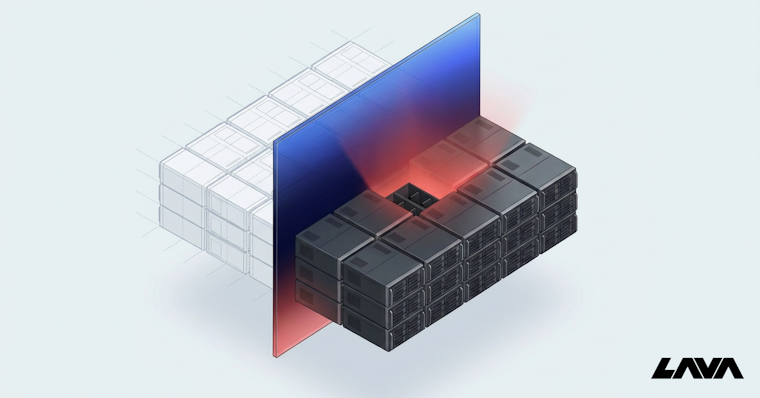
CVE-2026-47483: How We Could Disrupt Thousands of Exposed GPU Servers
We found a high-severity vulnerability in NVIDIA’s GPU exporter that could let attackers crash monitoring and potentially disrupt AI workloads without authentication. We also uncovered 2,100 servers leaking telemetry from 12,000+ GPUs to anyone online.
An Open Letter to Neoclouds: Security Has to Catch Up
Neocloud security failures are exposing tenant boundaries, management infrastructure, and shared systems that should never be reachable.
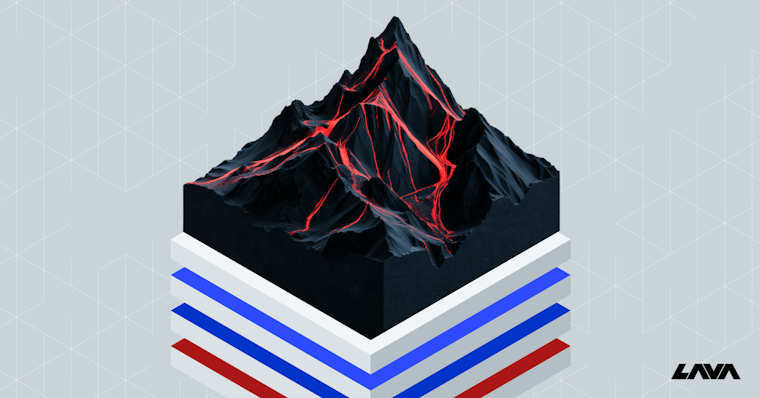
Rethinking the Shared Responsibility Model for NeoCloud Security
AI infrastructure adds security-relevant layers below the customer’s direct control. Modern shared responsibility models need to show not only who operates those layers, but how they can affect the customer and what assurance the provider provides.