 Neoclouds
 Neocloud Users
 AI Data Centers
 Enterprise Data Centers
 Visibility & Posture
 Verify Rented Capacity
 Risk Prioritization & Hardening
 Red Teaming & Pen Testing
 Runtime Detection & Response
 Compliance & Audit Readiness
 Blog
 Learn
 FAQ
 BMC Exposure
 Blog



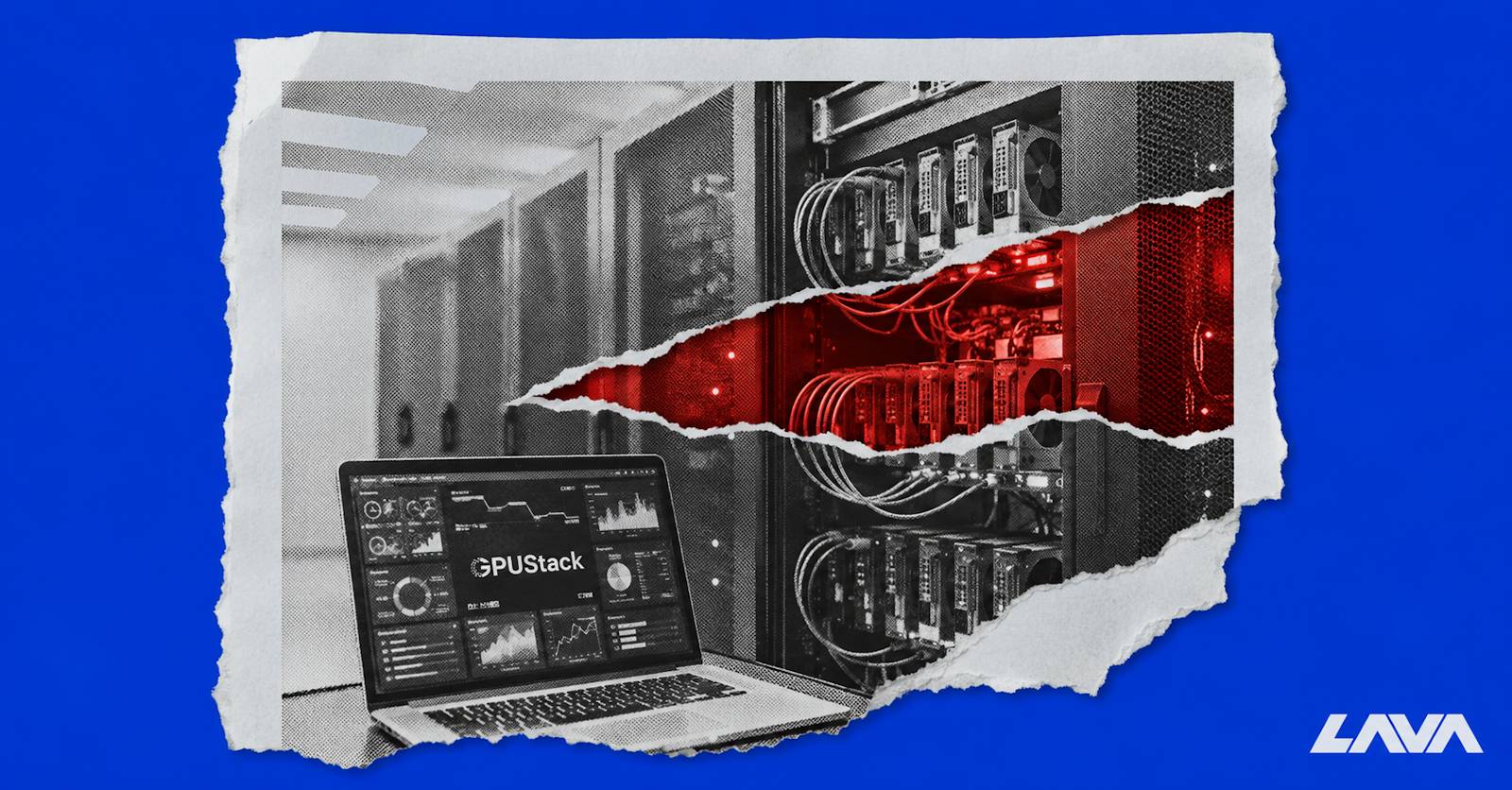
Attackers exploited a critical authentication bypass in GPUStack to create malicious inference backends that launched reverse shells on AI worker hosts. The attack shows how compromising an AI management platform can expose the compute infrastructure it controls.
On November 9, 2026, CISA added CVE-2026-102895 to its Known Exploited Vulnerabilities catalog, following evidence of active exploitation.
GPUStack is an open-source platform for managing GPU resources and deploying AI models. The vulnerability, rated 9.8 (Critical), affects versions before 2.2.0 and allows unauthenticated remote attackers to gain administrator privileges.
According to the GPUStack security advisory, the vulnerability was exploited against a version 2.1.1 deployment, where attackers created custom inference backends that executed reverse shells on worker hosts.
How GPUStack's Authentication Bypass Worked
The vulnerability originated in how GPUStack identified trusted local requests.
By default, vulnerable versions automatically granted administrator privileges to requests appearing to originate from 127.0.0.1 (localhost).
The problem was that remote requests could be incorrectly identified as local.
When GPUStack ran behind a reverse proxy on the same server, external requests forwarded through the proxy could appear to originate from localhost. Attackers could also forge the X-GPUStack-Real-IP HTTP header to make their requests appear local.
In both cases, GPUStack could treat an unauthenticated remote request as a trusted administrator.
From Administrator Access to Code Execution on GPU Workers
Once attackers gained administrator access, they could do much more than modify settings.
They could manage users, models, workers, and configurations, create persistent administrator API keys, and access credentials associated with worker systems and cloud providers.
But the more serious risk came from GPUStack's ability to deploy custom inference backends.
This legitimate functionality allows administrators to configure how AI models run on worker hosts. Attackers could abuse it to execute malicious code on the machines responsible for running AI workloads.
This was not just a theoretical attack path. GPUStack confirmed that attackers exploited the vulnerability in the wild, creating malicious backends that launched reverse shells on worker systems.
The attackers did not need to escape a virtual machine or bypass GPU isolation. They gained control through the management platform itself.
Why the Risk Goes Beyond GPUStack
GPUStack illustrates a broader security challenge in AI infrastructure: the platforms managing GPU resources can become an entry point to the systems they control.
AI management platforms connect compute workers, models, credentials, and infrastructure services. Compromising one of these platforms can give attackers access to systems that may not be directly exposed to the internet.
In this case, the attackers moved from unauthenticated API requests to administrator access and code execution on worker hosts.
For infrastructure and security teams, this raises important questions: Which management interfaces are exposed? What privileges do they hold? And which GPU workers or connected systems could an attacker reach if one is compromised?
What Affected Organizations Should Do
GPUStack fixed the vulnerability in version 2.2.0 by removing automatic administrator access for localhost requests and strengthening client IP handling.
Organizations running affected versions should upgrade to 2.2.0 or later.
Until upgrading, GPUStack recommends enabling force_auth_localhost=true, restricting API access to trusted networks, and ensuring reverse proxies strip untrusted client-supplied IP headers.
Because exploitation has already been observed, organizations should also investigate unexpected administrator API keys, unrecognized inference backends, and suspicious processes or network connections on worker hosts. Potentially exposed credentials should be assessed for rotation.
But patching GPUStack alone does not address the broader infrastructure security challenge.
Protecting AI infrastructure also requires understanding which management interfaces are exposed, what privileges they hold, and how they connect to GPU workers and other critical systems.
Lava helps infrastructure and security teams identify these risks through an end-to-end security graph spanning compute, networking, storage, and management systems. By uncovering exposed interfaces, misconfigurations, and potential attack paths, teams can better understand how a compromised management platform could put the infrastructure behind it at risk.