 Neoclouds
 Neocloud Users
 AI Data Centers
 Enterprise Data Centers
 Visibility & Posture
 Verify Rented Capacity
 Risk Prioritization & Hardening
 Red Teaming & Pen Testing
 Runtime Detection & Response
 Compliance & Audit Readiness
 Blog
 Learn
 FAQ
 BMC Exposure
 Blog



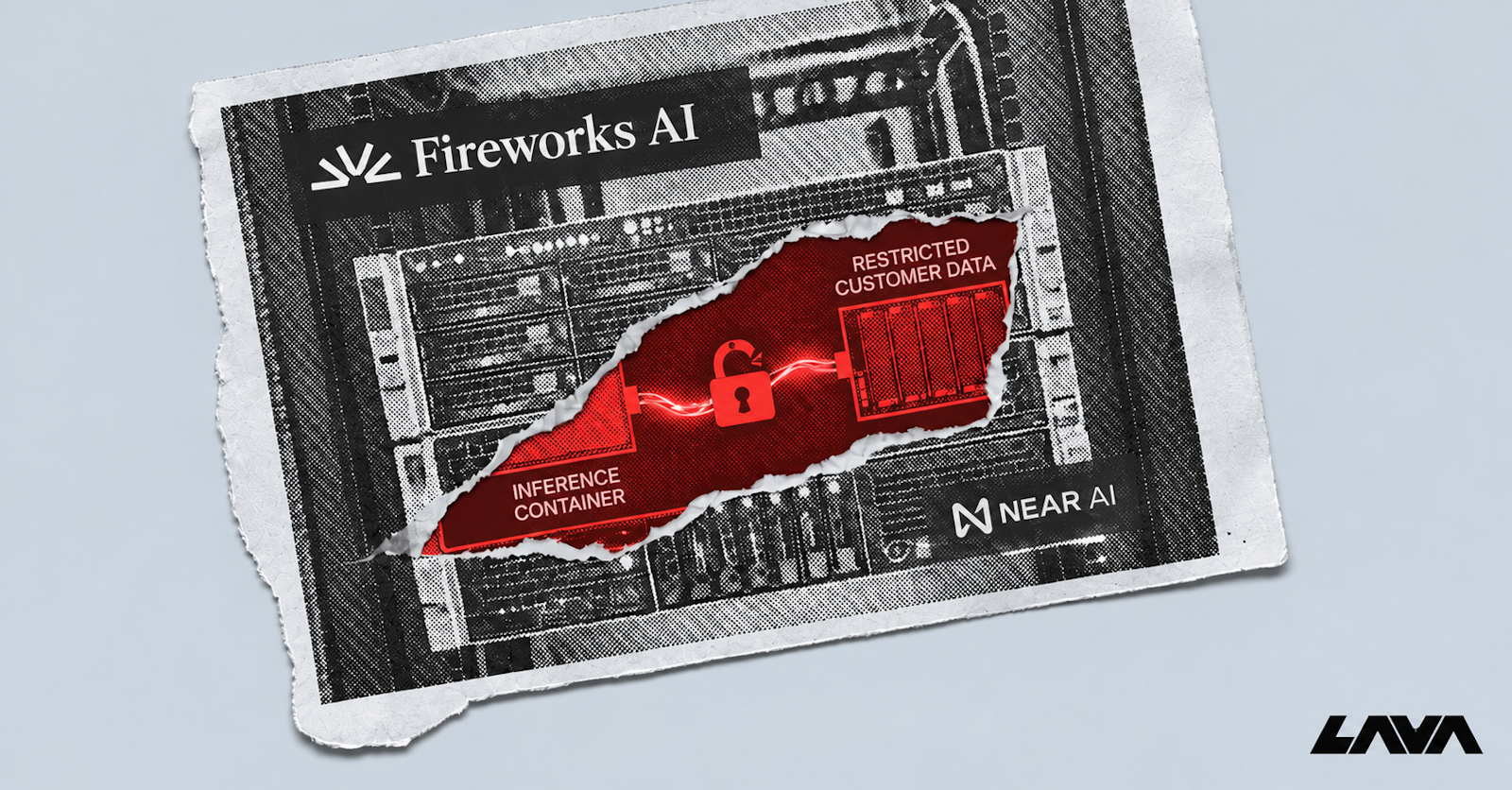
On November 9, Fireworks AI confirmed that attackers had accessed customer datasets and incomplete model weights, expanding the known impact of its October security incident beyond compromised credentials.
The investigation also uncovered a separate intrusion. On October 23, a third-party cloud provider hosting Fireworks development machines suffered a security incident.
According to Fireworks CEO Lin Qiao, attackers used that access to reach a Fireworks development machine, escalated permissions through multiple systems, and assumed a cloud service account. From there, they accessed storage systems, exposing additional customer data.
Following the incident, Fireworks strengthened network isolation, restricted access, and rotated credentials.
Qiao also emphasized the need for stricter security practices, including fine-grained permissions, stronger network access policies, and strict tenant isolation.
But Fireworks wasn't the only AI infrastructure provider reporting a breach.
Another Breach, a Different Entry Point
On November 9, NEAR AI disclosed that an attacker exploited a remote code execution vulnerability in SGLang, the inference engine running on its servers.
The vulnerability allowed the attacker to take control of an inference server and reach internal systems, exposing account information for approximately 100 users and data from 18 legacy AI agents.
NEAR AI also warned that requests processed on the compromised server, including those running in confidential mode, could have been observed by the attacker.
The company has since patched the vulnerability and replaced affected credentials.
Why Isolation Matters More Than Ever
These incidents had different entry points, but both highlight the same underlying risk: a compromised system can become a path to other parts of the infrastructure.
In shared AI infrastructure, compute, networking, storage, and management systems are deeply connected. A compromised workload, exposed credential, or overly permissive service account can potentially give attackers access to systems that should remain isolated.
For infrastructure and security teams, the questions are straightforward:
Can a compromised workload reach sensitive management systems?
Are customer models, datasets, and workloads properly isolated?
If one system is compromised, what else can an attacker reach?
Tenant isolation must be enforced and continuously verified across the infrastructure, not simply assumed.
At Lava, we help infrastructure and security teams identify tenant isolation gaps across compute, networking, and storage. By uncovering unintended access paths between tenant workloads, shared infrastructure, and management systems, teams can strengthen isolation boundaries and prevent a single compromise from putting other environments at risk.