 Neoclouds
 Neocloud Users
 AI Data Centers
 Enterprise Data Centers
 Visibility & Posture
 Verify Rented Capacity
 Risk Prioritization & Hardening
 Red Teaming & Pen Testing
 Runtime Detection & Response
 Compliance & Audit Readiness
 Blog
Blog


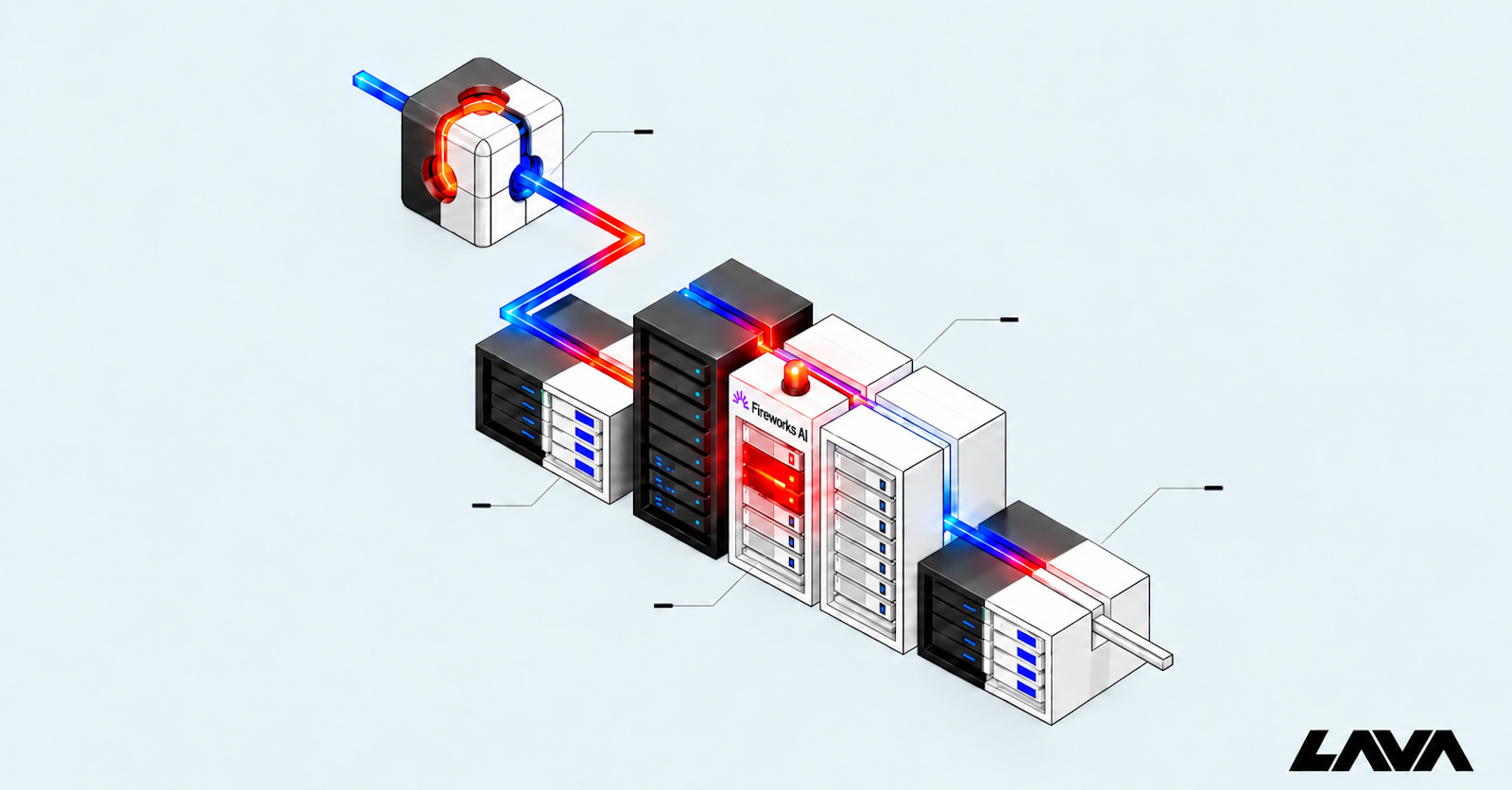
Fireworks AI is an AI inference platform that enables companies to run and scale AI models across GPU infrastructure provided by multiple cloud and neocloud providers.
On October 6, 2026, Fireworks AI identified a security incident involving compromised internal credentials that allowed access to environment variables in evaluation jobs across a limited number of customer accounts.
According to Fireworks' security bulletin, the company believes API keys and tokens stored as secrets were captured. Fireworks has revoked identified credentials, notified affected customers, and advised them to rotate exposed third-party credentials.
So far, Fireworks reports no detected evidence of unauthorized access to customer models, datasets, training data, personal information, or inference traffic within its security perimeter or control. The investigation remains ongoing.
But an interesting detail emerged on X.
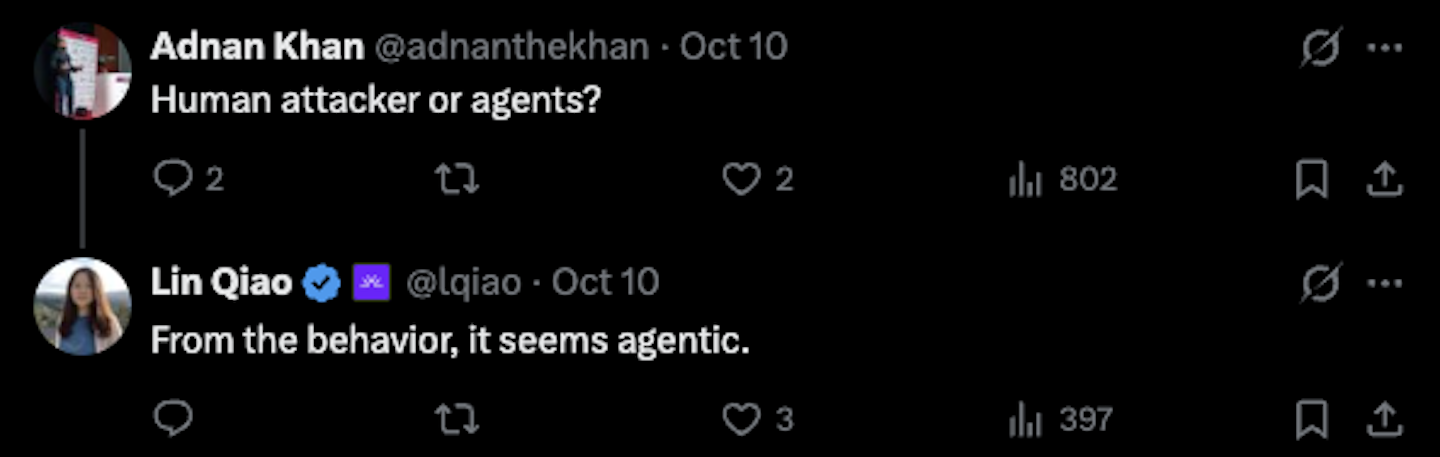
In an X exchange about the incident, Fireworks CEO Lin Qiao was asked whether the attacker was human or using AI agents.
Her response was: "From the behavior, it seems agentic."
While the use of AI agents remains unconfirmed, her comment raises an important question: What happens when AI-powered attacks target the infrastructure powering AI itself?
AI Is No Longer Just What We're Protecting
AI is changing both sides of cybersecurity.
Attackers can potentially use autonomous agents to accelerate reconnaissance, discover weaknesses, and explore access paths at machine speed.
The reported OpenAI–Hugging Face incident raises similar concerns about the potential for AI agents to exploit security weaknesses across interconnected services.
The Fireworks incident demonstrates how compromised credentials inside an AI platform can put connected services at risk, even without direct access to customer models or data.
For AI infrastructure, where workloads, identities, and systems are deeply interconnected, this creates a serious challenge.
Old Security Gaps, Faster Threats
Neoclouds and data centers operate across complex, shared infrastructure, yet security is still managed in silos. Compute, network, storage, and management systems are often secured independently, with limited visibility into how they connect and what an attacker could reach across them.
What’s changing now is the rise of AI agents that can autonomously discover vulnerabilities, map attack paths, and exploit security gaps at machine speed.
Defenders need the full context across their infrastructure, not just isolated security findings. The challenge isn’t just detecting the first compromise. It’s understanding what that compromise could expose next, and stopping it before it spreads.
Securing AI Infrastructure for the Agentic Era
At Lava, we're focused on securing the infrastructure beneath AI.
By connecting compute, network, storage, and management infrastructure into an end-to-end context graph, Lava helps operators identify vulnerabilities, misconfigurations, understand attack paths, and prioritize risks across their stack.
If attackers can exploit infrastructure at machine speed, defenders need to secure it before attackers get the chance.